
Food Processing Dust Collection Systems
Hastings Air supplies industrial dust collectors suitable for the food processing and packaging industries. Food processing helps transform agricultural products into food, from making flour to grinding raw grains.
Industrial dust collection systems are necessary for the food and beverage industries to meet a variety of food safety standards and regulations.
Food Processing Dust Collection
The food processing procedure generates a variety of different types of dust and particles, from finer spices and powders to thicker and coarser baking ingredients. The ideal method to capture food processing dust is collection at the source while particles are still in the air.
Food packaging and processing dust can be generated from procedures including:
- Stirring/Mixing
- Pouring/Dumping
- Batching
- Weighing
- Transferring
Common Applications
- Drying
- Preservation
- Smoking
- Freezing
- Salting
- Vacuum Packs
- Sugaring
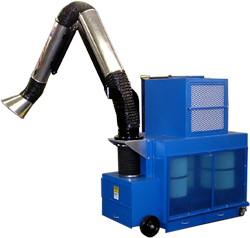
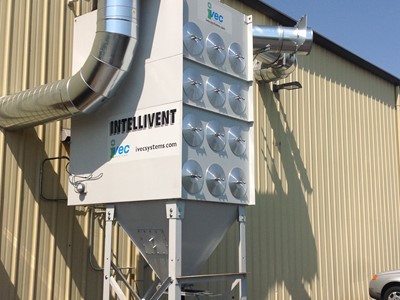
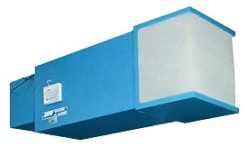
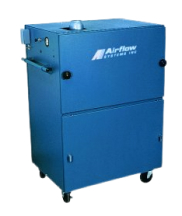
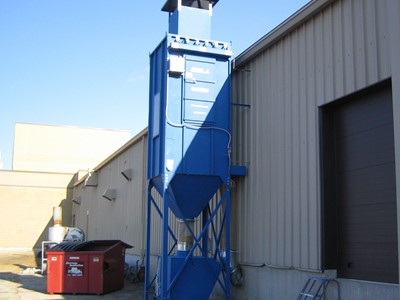
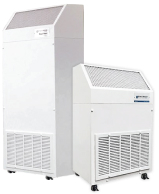
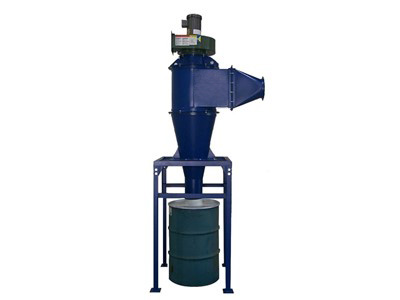
Air Cleaning Systems for the Food Processing Industry

Common Risks of Food Processing Dust
Dust and particles generated through food processing and packaging processes can lead to both health and explosion risks. Dust inhalation can seriously affect different regions of the respiratory tract and workers can be directly affected from a series of illnesses in food processing environments.
Additionally, dust explosions can occur during food processing when dust combusts too rapidly in enclosed spaces, resulting in an enormous wave of pressure and potentially fatal injuries for workers.
Whey Protein & Milk Powder Dust: An Overlooked Combustible Hazard
Whey protein and milk powder are among the most explosible dusts in food manufacturing. Because these ingredients are dried, ground, and conveyed as fine powders in spray dryers, blending rooms, and packaging lines, they generate exactly the kind of airborne particulate that fuels a dust explosion. This isn't theoretical: OSHA has previously cited a Wisconsin whey-drying facility with a willful combustible dust violation following a dust explosion in equipment that converted liquid whey into dried whey protein concentrate powder.
Dairy and whey processors face this risk at several points in production, including:
- Spray dryer discharge and cyclone pre-separation
- Powder conveying, sifting, and blending
- Silo and bulk storage loading/unloading
- Bag, tote, and packaging line filling
Hastings Air helps dairy and whey processing facilities address these exposure points with stainless steel dust collector options built for sanitary, washdown environments, paired with cyclone separators for heavy powder loading and industrial vacuum systems for NFPA-required housekeeping of accumulated dust.
| Dust Type | Common Source | Recommended Collector Type |
| Flour & Grain Dust | Milling, mixing, blending | Cartridge / Cyclone Separator |
| Sugar & Starch Dust | Mixing, coating, packaging | Cartridge Dust Collector |
| Whey Protein & Milk Powder Dust | Spray drying, blending, bag/tote filling | Stainless Steel Cartridge Collector / Cyclone Separator |
| Spice & Seasoning Dust | Grinding, blending | Cartridge Dust Collector |
Advantages of Dust Collectors for Food & Beverage Industry
With the ongoing problem of food processing dusts and particles, Hastings Air provides strong solutions to combat these problems. Hastings Air dust collectors can aid with handling even tough and sticky particulates in food packaging and processing. From design to installation, we provide solutions to meet the needs of your food processing plant in addition to:
- Minimizing electrical, heating, filter, and compressed air costs
- Improving health standards by reducing health and danger risks
- Minimizing human error with automatic controlled releases for ease of use
In food processing environments, controlling airborne particles is crucial for worker safety and product quality. Systems that manage ambient fume dust can help reduce exposure during high-dust operations, while tools like FumeVac ErgoMax MIG guns, FumeVac Auto-Direct torches, and the adaptable FumeVac ErgoBoom provide targeted extraction for localized sources of welding and heat-related fumes. Additionally, mist collectors are essential for capturing fine moisture-laden particulates generated during processes like mixing and spraying.
We assist clients in meeting compliance regulations for:
- USDA
- FDA
- OSHA
- NFPA
- State Departments of Agriculture
To learn more about our industrial dust collection systems, contact Hastings Air for more information!
Industries We Serve Within Food & Beverage Processing
Our food processing dust collection systems are configured for a range of processing environments, including:
- Bakery & Flour Milling
- Dairy, Milk Powder & Whey Processing
- Snack, Cereal & Grain Processing
- Spice & Seasoning Production
- Beverage & Powdered Mix Manufacturing
- Pet Food & Animal Feed Production
Our experts can help you save money by creating a custom solution perfectly fit for your application.
Food Processing Dust Collection Systems FAQ
Food processing dust collection uses industrial dust collectors — such as cartridge, baghouse, and cyclone systems — to capture airborne particulate created during milling, blending, drying, and packaging. It protects worker health, helps facilities meet food safety regulations, and reduces the risk of combustible dust fires or explosions in food and beverage plants.
Food manufacturing facilities encounter a variety of combustible and respiratory dust hazards, including flour, sugar, cocoa, grain, cornstarch, and dry food additives. When handled, mixed, or packaged, these materials release fine dust that can settle on equipment, contaminate product, and increase fire or explosion risk without proper source-capture dust collection.
Yes. Dried whey protein and milk powder are fine, organic powders that can become explosible when suspended in air, similar to flour and sugar dust. OSHA has cited dairy facilities for combustible dust violations tied to whey drying operations, making proper dust collection and housekeeping essential in dairy processing plants.
NFPA 660 is the current unified combustible dust standard covering food, agricultural, and industrial facilities. It replaced legacy standards like NFPA 61 and requires facilities handling flour, sugar, starch, or dairy powders to complete a Dust Hazard Analysis and implement engineering controls, including dust collection at the source. OSHA enforces compliance with these standards, and facilities handling metal-contaminated food dust may also fall under NFPA 484.
Cartridge dust collectors built in stainless steel are commonly used in food processing because they're compatible with sanitary washdown environments and handle fine powders efficiently. Cyclone separators are often added upstream for heavy dust loading, while industrial vacuum systems support required housekeeping of accumulated combustible dust.
Reducing risk starts with capturing dust at the source using properly sized cartridge or cyclone collectors, keeping equipment and surfaces clean to prevent dust accumulation, and following NFPA 660 guidance for Dust Hazard Analysis. Working with an experienced dust collection provider helps ensure equipment is correctly specified for combustible dairy powders.


